
Conceptual Design Idea (Metamorphosis) and Research (500 Words plus visuals with captions)
My initial concept for the metamorphosis-themed conceptual design was inspired by the classic animated film How the Grinch Stole Christmas! (1966). A particular scene was shown in class, where a red cherry seamlessly morphs into the Grinch’s glowing red eye. This simple but effective transformation intrigued me because of how it used shape, colour, and movement to create a smooth transition. The scene captures the essence of metamorphosis in animation, where one object fluidly shifts into another, creating an unexpected yet natural transformation.
Building upon this idea, I did further research into animated films that effectively show metamorphosis transitions. That’s when I found Dumbo (1941) and discovered the “Pink Elephants on Parade” sequence on YouTube. This dream scene is filled with fluid animations. One of the best examples occurs when a group of pink elephants merge together, forming a single abstract shape that then explodes into a barrel, from which new elephants come out of. Another strong example of metamorphosis in this scene is when the elephants’ black triangular eyes move toward the camera, to transform into two pyramids in the distance. The entire sequence plays with abstraction and shape-shifting, reinforcing the dreamlike atmosphere and demonstrating how metamorphosis can be used.
Inspired by these examples, I wanted to explore a similar metamorphosis effects in my own project. My initial idea was to create a 3D telescope as the centre of the transformation. The concept was that the camera would pan around the telescope, gradually zooming into its black lens. As the lens fills the screen, it would transform into a planet, and the camera would then rotate around the planet to reveal a solar system in the background. However, after further thought, I decided to move away from the telescope idea in favour of a design that would allow for more fluid transformations.
This led me to develop a new concept using a lava lamp as the foundation for the animation. A lava lamp offers a more dynamic and visually engaging way to demonstrate metamorphosis due to the flow and movement of the wax blobs inside. The animation would begin with the camera focusing on the floating blobs, capturing their shifting shapes. As the camera zooms into one of these blobs, it would seamlessly transition to reveal a planet inside. then the camera would pull back, gradually revealing that the planet is part of a larger solar system, reinforcing the continuous transformation effect. By shifting my focus from a telescope to a lava lamp, I am able to emphasise organic motion, fluid transitions, and a more visually captivating animation style.
2.) Animation Storyboard (500 Words plus visuals with captions)
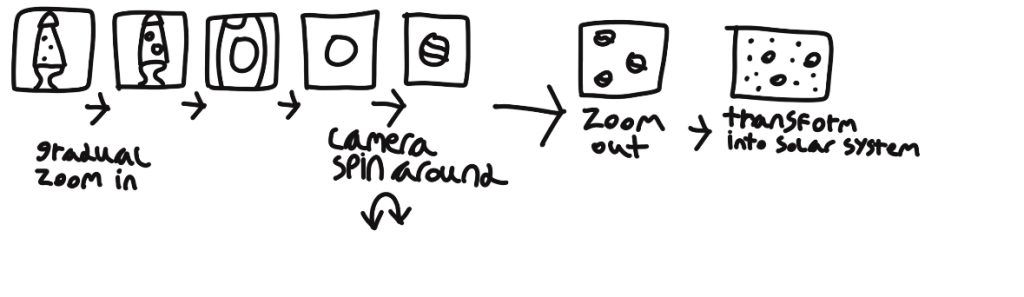
My animation storyboard features seven panels that show the plan for my metamorphosis animation. The animations starts in Board one.
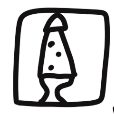
Board one starts of with the lava lamp zoomed out stationary, it will be inside a dark environment which will showcase the soft orange glow of the lava lamp, this will help show off the metallic textures I will create for the base and top of the lava lamp. I will also create a glass material for the middle section of the lava lamp which will also reflect the light emitted from the lava lamp itself.
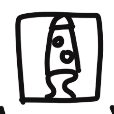
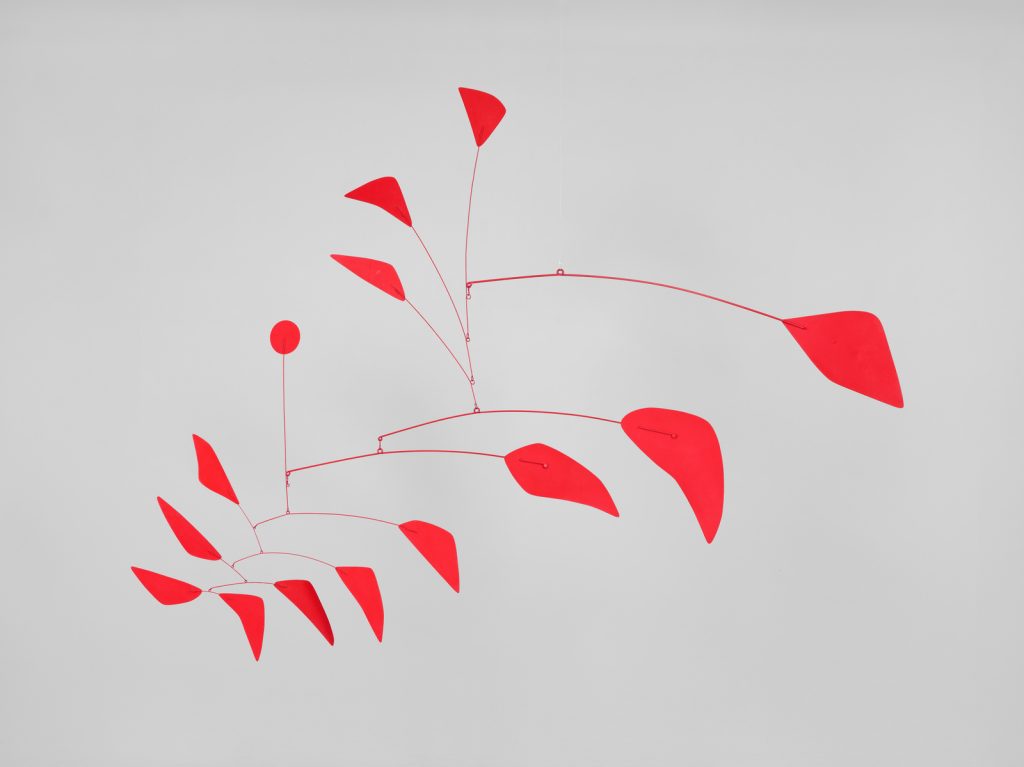
Board two will have the camera gradually zoom into the lava lamp, further showing the details of all featured textures and now with a bigger focal point on the wax balls floating inside the lava lamp with their positioning similar to Alexander Calder’s mobiles such as Big Red.
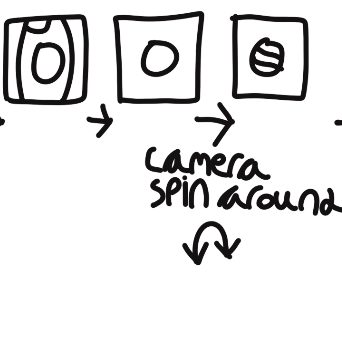
Board three turns one of the wax balls into the full focal point, this will show the full details of the wax ball, after a brief pause the camera will then pan around the wax ball to reveal that the other side of the ball is a planet.
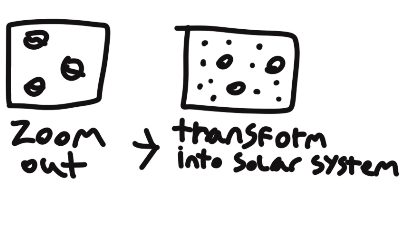
Board six and seven show the metamorphosis transition in it’s final stage, the camera will pan out and show that the wax balls have now turned into a solar system, with it’s positioning resembling another one of Calder’s mobiles and completing the animation.
However after further consideration I decided to change my mind about what my animation will be.
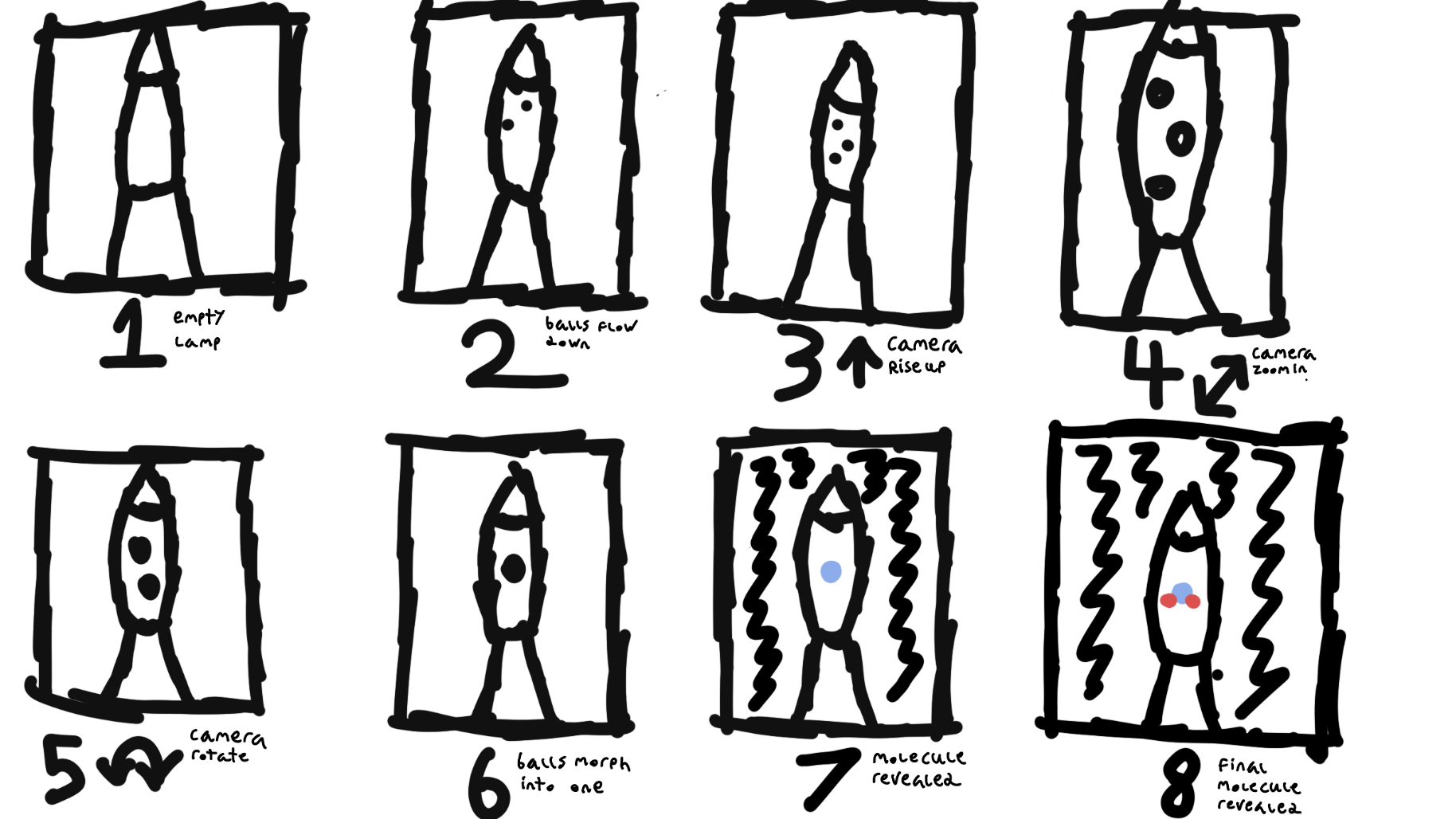
Here is the new and improved art-board, it includes 8 stages of my new animation idea. I wanted to keep the overall goal of the animation, which is to have a lava lamp and the wax ball inside to transition (metamorphosis) into something new.
In board 1 the camera starts at the base of the lava lamp, this then transitions into board 2 where the lava lamp wax balls start to flow up and down from the wax pools. This is when the camera begins to slow elevate upwards in board 3 and then zoom closer to the glass section of the lava lamp inside board 4. Inside board 5 the camera starts to pan around the lava lamp to prepare the metamorphic transition, during this all of the floating balls will slowly begin to transform into one ball in the centre in board 6. The next board shows that the balls have transformed into a water molecule once the camera has finished panning around in board 8.
After starting my animation I have used the second story board idea however during the creation of my animation and following through with the storyboard I decided to go with an altered version of the original first storyboard as this gave me more creative freedom and relates more deeply with my chosen space theme.
3.) Visual Design Treatment- How will you incorporate Edward Tufte’s five theories into your work? (500 Words plus visuals with captions)
One of the theories by Edward Tufte that I have researched is Micro / Macro Readings. This theory shows that visuals should be easy to understand at a glance, whilst also giving additional information when looked at closely with more detail.
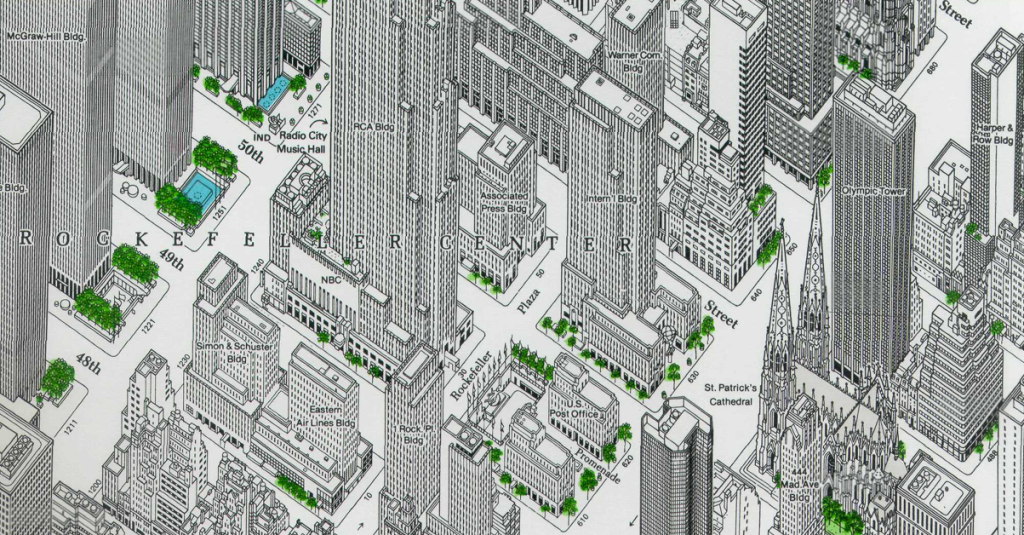
This map of midtown Manhattan taken from Edward Tufte’s Envisioning Information (1990) shows “such fine points as individual windows, subway stations and bus shelters, telephone booths, building canopies, trees, and sidewalk planters.” this goes into the theory, where finer details are available to the viewer to gather data from such as “personal micro-readings, individual stories about the data: shops visited, hotels stayed at, walks taken, office windows at a floor worked on“. I plan to incorporate this by having the lava lamp in my animation be the “Macro” aspect as from a far it’s just a lamp with floating balls of wax inside it. However when the animation zooms in and turns around the viewer will be able to see the “Micro” aspect of the animation. This will be where the wax balls is revealed to be a planet and have a solar system behind it.
Another one of Tufte’s theories I plan to use is the theory of Small Multiples. This theory is about the use of similar objects / graphs with slight differences to allow easy comparison. As Tufte states in Envisioning Information “Information slices are positioned within the eye span, so that viewers make comparisons at a glance”. An example of this is in “Systema Saturnium” where we see an illustration of Saturn’s orbit.
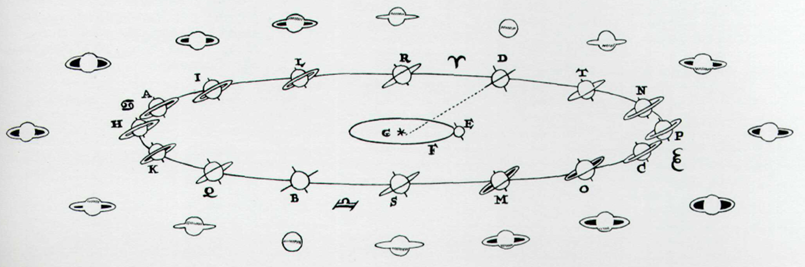
This illustration shows all stages or Saturn’s orbit at one quick glance, the viewer is able to see all options, as Tufte states “Small multiples reveal, all at once, a scope of alternatives, a range of options.” in Envisioning Information. I will incorporate this theory into my animation during the planet / solar system section of my animation. This will be due to the various variations of stars that will be visible in the background as I plan to make the different sizes and shapes.

The final theory I plan to incorporate is Use of Colour. The “Use of Colour” in Envisioning Information is described as “…the fundamental uses of color in information design: to label (color as noun), to measure (color as quantity), to represent or imitate reality (color as representation), and to enliven or decorate (color as beauty).” This provides us with examples on how colour can be used in various ways to help the viewer understand the message that your design is trying to convey. This can be brought back to even further basics when referring to colour in association with mood and feelings, for example, anger or danger is associated with red says Kendra Cherry who has written a blog on Red Colour Psychology. I plan to use the Use of Colour in my animation by colouring certain elements specific colours to convey information AND emotion to the viewer. For example the colour of the lava lamp will be orange to convey optimism to the viewer.
4.) Final Design- How did you incorporate Tufte’s five theories into your work? (500 Words plus visuals with captions)
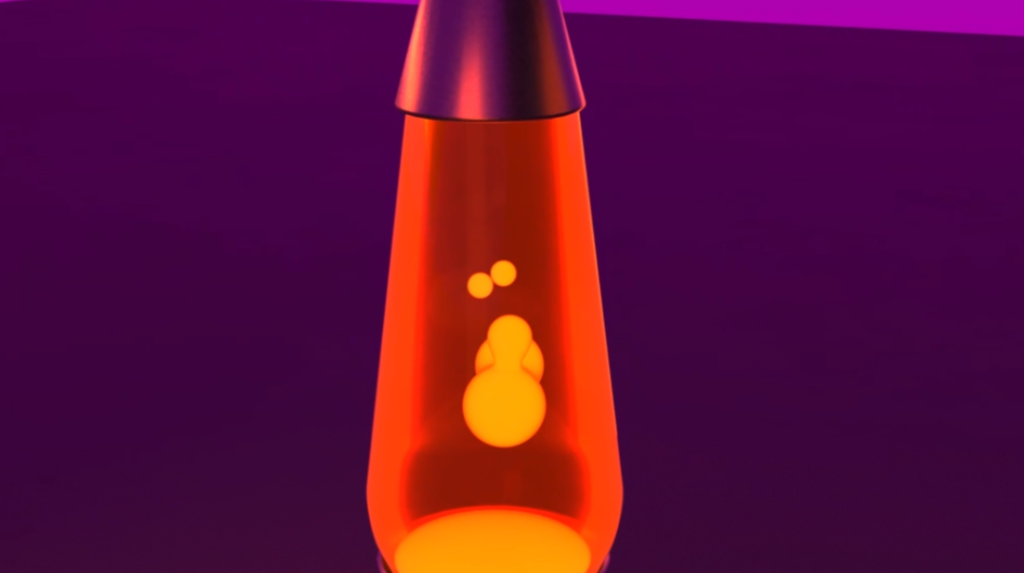
The way I incorporated Tufte’s theories into my work is Micro / Macro Readings. This theory is focused around showing visuals that are easy to understand when looked at a glace however they also provide additional information when looked at more closely with detail. The way this was incorporate into my animation is through the lava lamp itself. At first glance the animation features a simple lava lamp, which features the smooth organic flow of the wax blobs rising and falling. This “Macro” perspective helps the viewer appreciate the hypnotising flow of the lava lamp without the need on focusing on specific details of it. However there is also a link to the “Micro” perspective as upon closer inspection in the animation you begin to notice the finer details of the wax blobs, such as the the small fluctuations in their shape as they begin to morph into each other, which exist inside of the lava lamp which create a more visually appealing experience to the viewer which is watching the animation as they get to focus on more intricate details.
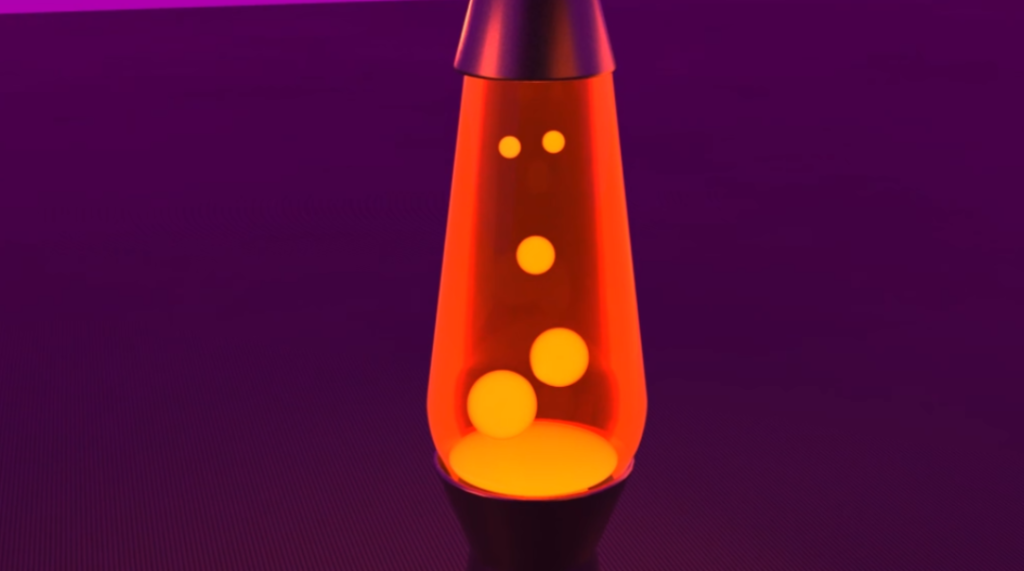
Another theory by Edward Tufte I’ve managed to use inside my animation is the theory of Small Multiples. This theory is where there is a varied amount of the same item in a area which encourages comparison in the viewers eye. The way this is presented in my animations is through the wax blobs inside of my lava lamp, these blobs exist in proximity to each other which allows the animation to encourage comparison to the viewer through Tufte’s theory. The viewer may notice the varied sized of the balls as they float past each other and also some of their shapes being to change when in close proximity.
The third theory I’ve incorporated is Use of Colour. This theory shows how colour can be used to convey information or emotions to the viewer, the example I’ve incorporated into my animation is various colours of backgrounds and key elements. The first colour is purple as this colour synergises well with orange creating a visually appealing colour harmony, the purple background helps create a sense of mystery and anticipation as to what the metamorphosis will be. The second colour is orange, this colour is the glass over the lava lamp and the wax balls, these colours are to highlight that they are they key element in the metamorphosis animation and to promote the feeling of energy and positivity to the viewer.
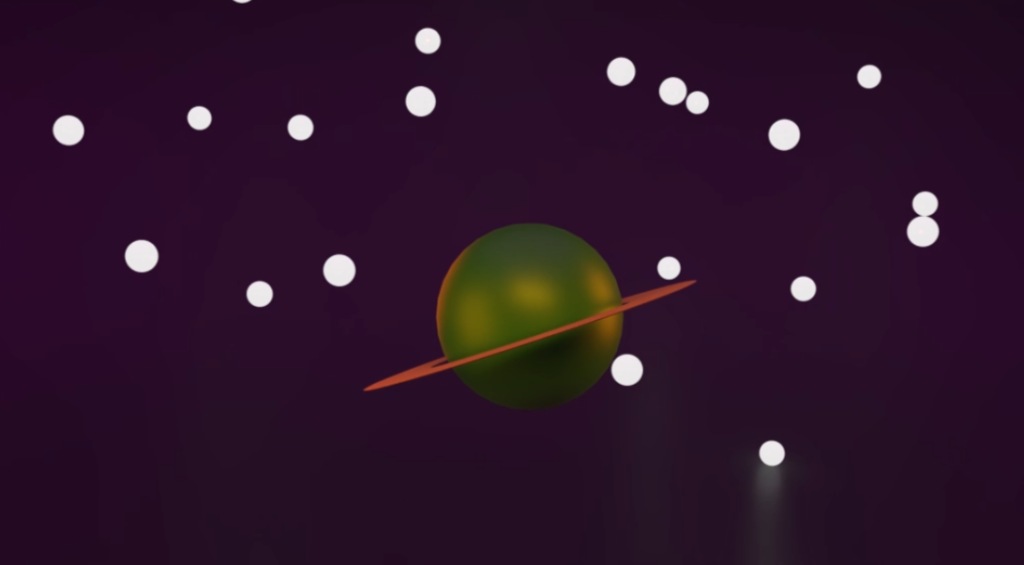
The next use of colour is green, this colour was chosen for the planet to convey that the balls have now transformed into something positive and new, this will also bring a feeling of positivity to the viewer. The final colour is white, this conveys information to the viewer that the setting has now transformed into a space setting as the white orbs represent stars before they are consumed by the void of space at the end of the animation.
5.) 3D Metamorphosis Animation
References
Dumbo Lover (2012) Dumbo Pink Elephants on Parade HD [YouTube]. Available at: https://www.youtube.com/watch?v=jcZUPDMXzJ8 (Accessed: 18 February 2025).
Whitney Museum of American Art (n.d.) Big Red, Alexander Calder. Available at: https://whitney.org/collection/works/2826 (Accessed: 23 February 2025).
Tufte, E.R. (1990) Envisioning Information. Cheshire, CT: Graphics Press. p.37.
Tufte, E.R. (1990) Envisioning Information. Cheshire, CT: Graphics Press, p.67.
Tufte, E.R. (1990) Envisioning Information. Chesire, CT: Graphic Press, p.81.
Cherry, K. (2023). How Does the Color Red Impact Your Mood and Behavior? [online] Verywellmind. Available at: https://www.verywellmind.com/the-color-psychology-of-red-2795821 (Accessed: 03 March 2025)
Animation Sound References
Adobe Express (2015.) Ambient Drone – Mysterious Lights Loop [Audio]. Available at: https://www.adobe.com/express/ (Accessed: 9 March 2025).
Adobe Express (2015.) Ambient Drone – Bubbling Synth Swirling Drone 01 [Audio]. Available at: https://www.adobe.com/express/ (Accessed: 9 March 2025).
Adobe Express (2015.) Ambient Drone – Spaceship Pre Blast Electric Charge Up 09 [Audio]. Available at: https://www.adobe.com/express/ (Accessed: 9 March 2025).
Adobe Express (2015.) Ambient Drone – Cloth Wooshes Pass Bys Light And Air Wind 19 [Audio]. Available at: https://www.adobe.com/express/ (Accessed: 9 March 2025).