
1.) Ethical or Sustainable Subject- Include background research about your chosen subject, audience and purpose (500 words plus visuals with captions)
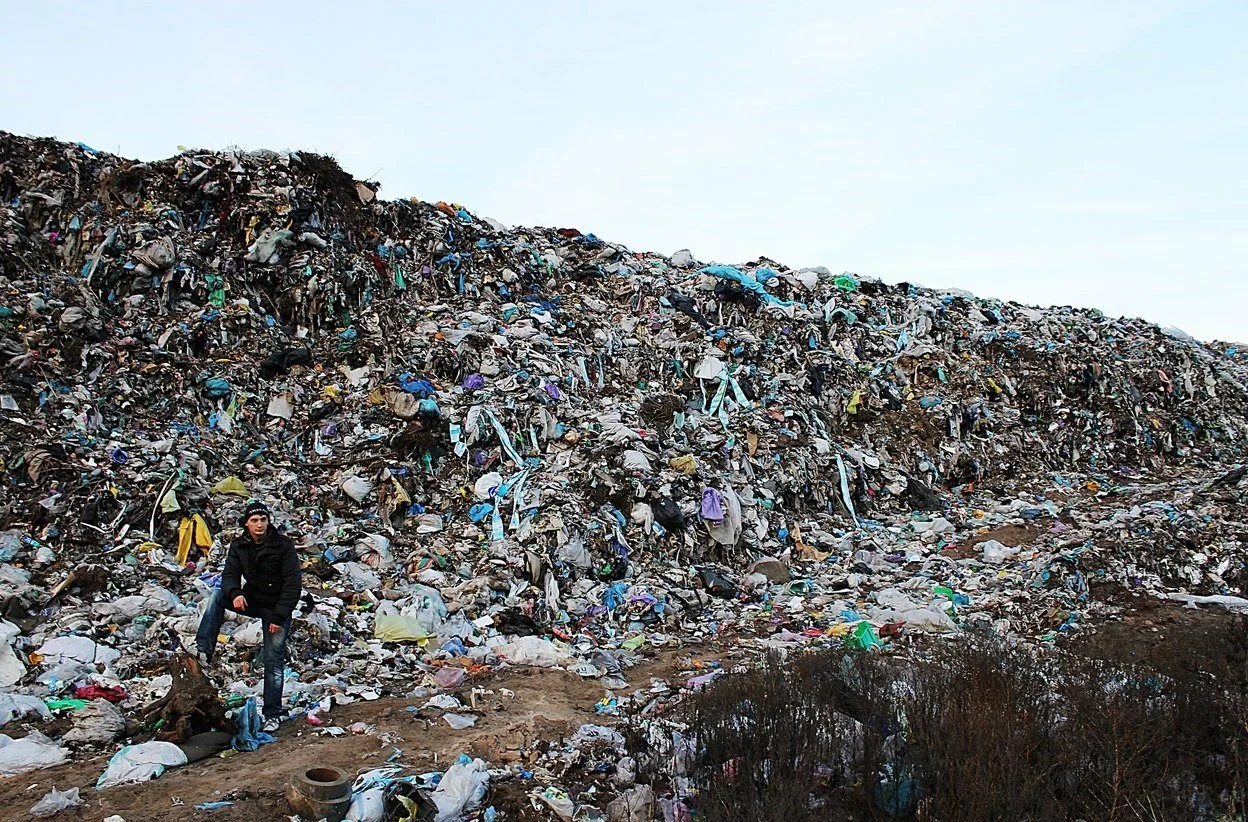
What is fast fashion? Fast fashion is “the movement of low-cost clothing items which swiftly go from design to retail stores to maximize on profit on current trends. “low-priced but stylish clothing that moves quickly from design to retail stores to meet and capitalize on trends. Collections are often based on styles presented at Fashion Week runway shows or worn by celebrities. Fast fashion allows mainstream consumers to purchase a new look at an affordable price.” says Investopedia.
How did fast fashion begin? Fast fashion has come to exist due to innovation within large design brands such as Uniqlo, Zara and H&M. Before fast fashion, shopping for clothing items was considered an event where customers would save money over time to periodically buy new clothing items after viewing them in a fashion magazine which would advertise new collections. However in the late 1990s fast fashion emerged which offered cheaper alternatives of duplicate or similar looking garments which would be seen in more luxury brands. This was due to innovations in Supply Chain Management, which is a business’ flow of production from the raw materials down to the final product in stores, as it was realised that consumers want high fashion at a low cost.
My audience for this subject is 16-30. This is because the younger Gen Z generation is the main contributor in the rise of fast fashion. This is because of many young people use TikTok and use it’s TikTok shop to order various cheap garments, as they are the main influence in fashion it’s the most important to target this demographic and educate them on the effects of fast fashion. This is also because younger people are the most open minded towards issues related to climate change. However that just covers the younger side of this demographic that I have chosen.
The purpose of my animation is going to be to educate my audience about the effects that fast fashion has on the world. This is so that the audience will use alternatives to fast fashion and seek out ways to use them to help the world be less polluted. This will also cause them to spread their new knowledge to others through word of mouth which will create a domino effect of positivity.
2.) Conceptual Design Transition Planning- Include your eight panel storyboard (500 words plus visuals with captions)
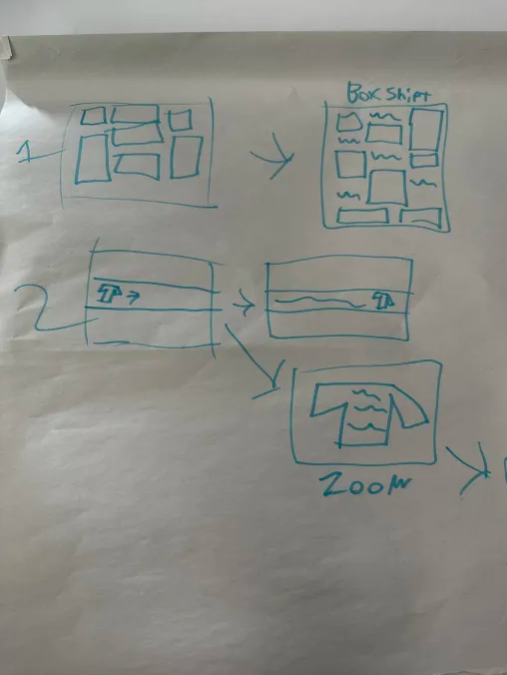
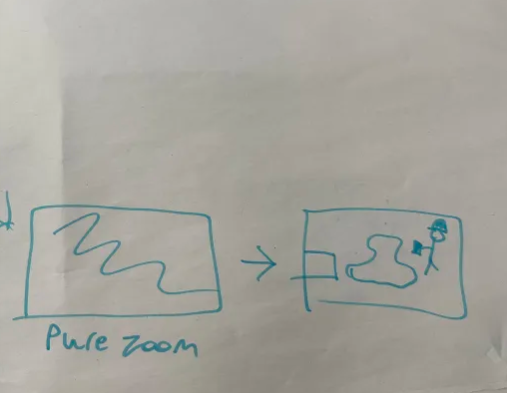
This is my first attempt storyboard where I drew a rough sketch of the storyboard plan which I then showed to my peers to feedback ideas and improvements on the initial idea. The overall idea was met with support so I didn’t implement a lot of changes.
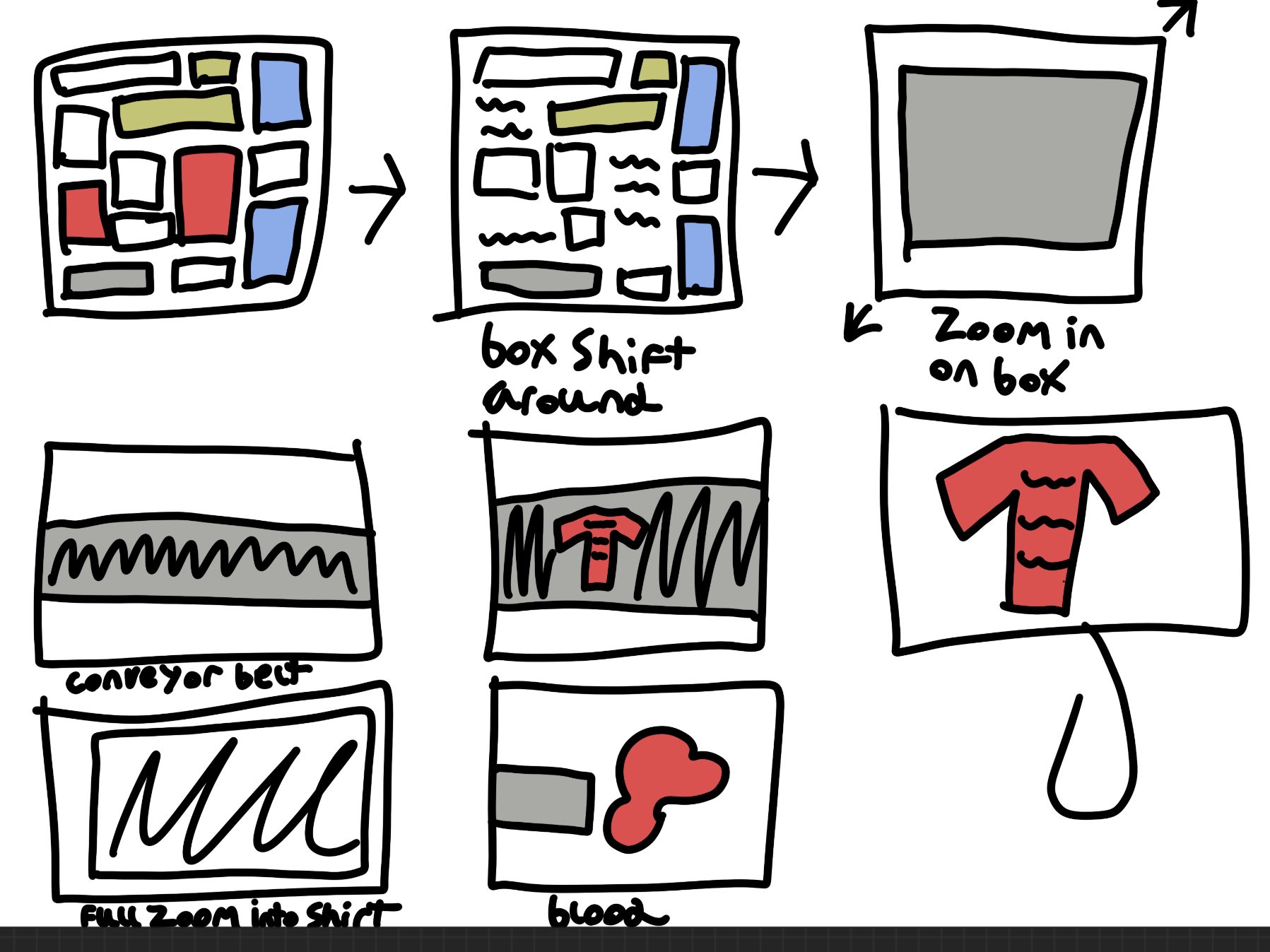
This led me to design a more refined version of the original storyboard where the visuals are more clear to myself and the viewer.
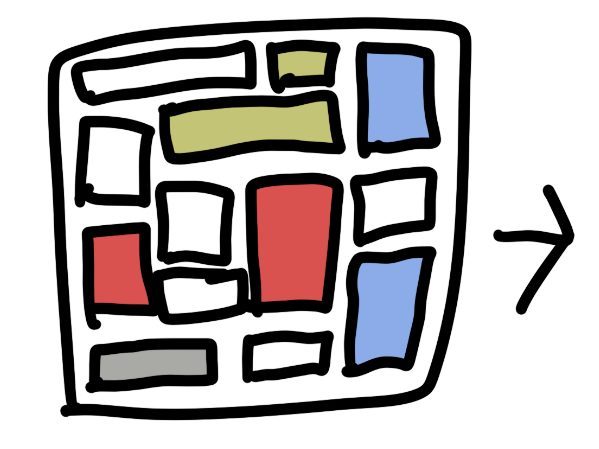
The first part of the storyboard shows the introduction to my animation. It shows colourful blocks filling the entire stage. This is inspired from the title sequence of “The Seven Year Itch” (1995). This title sequence created by Saul Bass features various coloured blocks popping up on the screen then shifting around to reveal the words behind them. Which inspired me to create a similar feeling intro for my animation. Some examples shown in class didn’t have title intros which sometimes made it hard to understand the meaning behind their animations. To fix this issue I decided to create a title sequence to make my subject and goal clear to my audience.
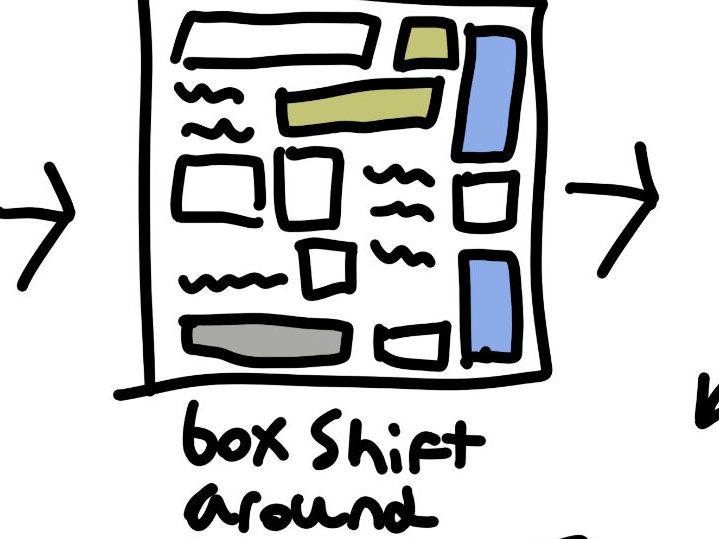
The second part of my storyboard shows the title revealed from underneath after the boxes transition into their shifted places. The title underneath will be revealed to be “The Truth About Fast Fashion”. This is to make it clear and direct to the audience what the subject of this animation is about.
3.) Visual Design Treatment- How have you incorporated Edward Tufte’s five theories into your work? (500 Words plus visuals with captions)
In developing my animation The Truth About Fast Fashion, my primary goal was to communicate a powerful narrative through visuals, rather than relying on graphs, or charts. This decision was influenced by Edward Tufte’s ideas around visual communication. Reflecting on my creative process, I realise that while some of Tufte’s principles were naturally used in my work, others were less applicable due to the narrative and emotional focus of the animation.
One concept that aligned with my approach was Tufte’s principle of Integration of Evidence. He advocates for combining visuals, words, and numbers to strengthen the clarity and coherence of a message (Tufte, 1997). I aimed to use visuals to show the environmental and human impact of fast fashion. These visuals created a dark but needed message.
Another idea that resonated strongly was Respect for the Audience, a recurring theme in Beautiful Evidence (Tufte, 2006). Tufte argues that viewers are capable of interpreting complex visual information when it is well designed and thoughtfully presented. Rather than explaining every visual element explicitly, I used metaphors instead, such as a t-shirt stained red to symbolise the consequences of unethical labour practices. This choice respected the viewer’s intelligence, encouraging interpretation and emotional engagement without oversimplifying the message by having it written for them.
In contrast, some of Tufte’s more data-focused theories were less relevant. His concept of the Data-Ink Ratio, which promotes reducing non-essential visual elements to highlight data more effectively (Tufte, 2001), didn’t fit the goals of my animation. My visual style took inspiration from Saul Bass who used bold, expressive use of shape and texture prioritised mood and storytelling over raw information. Rather than striving for minimalist data clarity, I embraced stylisation to create emotional impact. This does align in part with Tufte’s critique of Chartjunk, where he warns against “unnecessary embellishments” (Tufte, 2001).
The principle of Layering and Separation also played a minor role in my animation. This idea involves showing multiple layers of information clearly within a single frame (Tufte, 1990). However, to remain visually consistent with Saul Bass, I kept each scene visually flat, typically focusing on one idea at a time using simple, bold shapes. This choice supported the Saul Bass style but limited the depth that layered visuals could have provided.
In summary, while my animation used some of Tufte’s key theories, it deviated from his data-centred methods. This was largely intentional, as the project was driven more by storytelling than by data.
4.) Relevant Animation History- Include at least three links to existing animation examples related to your chosen sustainable or ethical subject area and analyse them. How have they influenced your final animation? (500 words plus visuals with captions)
One example of animation that influenced my animation is this fanmade Dexter intro. This intro is a spin on the original intro sequence to the series Dexter, using the original music but animated in the style of Saul Bass.
This animation inspired me to follow my set colour scheme of black, red and grey. As Dexter is a serious show about a serial killer the colours follow that tone, especially with the bright red as a lot of blood is involved. I knew from my storyboard that I wanted a transition related to blood so I used red as a t-shirt which I can use to then transform into a red background just like this animation does in a different way where a red stream then turns into a red background. I also liked the slower movement of this animation which helps focus on core details of the animation such as the hand picking up the microscope slide with blood inside it.
Another influence was again The Seven Year Itch, this features a title sequence created by Saul Bass which features multiple shifting colour blocks to reveal words behind them. This is what inspired my into sequence for my animation where I also used colourful blocks that shift to reveal the title hiding behind. However I decided this was too similar and too colour with what I wanted so I changed all the blocks to be shades of grey. This is because the grey represents the mundane everyday life the children have of working everyday in harsh conditions, it also represents the colour of the concrete walls and floors in the sweatshops that the children have to suffer inside day to day.
The animation that had the biggest impact on me was one this one as it looked at how the fast fashion industry affects children, especially through powerful statistics. It showed how widespread child labour is in garment factories which is something that isn’t often talked about or shown clearly in the media. Watching it made my eyes open to the scale of the problem. Before seeing it, I knew fast fashion affected the environment, but I hadn’t properly thought about how badly it affects kids. The animation made me realise how often we ignore or overlook the people who suffer the most from our everyday choices. That’s why I decided to focus my animation on the children impacted by fast fashion. Overall, this animation gave me a clear direction in what to focus on in my chosen subject.
5.) Classical Animation Piece (30 Seconds, 24fps) No written component is necessary for this post, just the animation. If you choose to include sound in your animation, it should be original sound (produced by you), or it can be copyright-free sound with detailed references included at the end of the animation. Add additional time for references at the end of your animation. Either embed your animation into the blog post or provide an appropriate YouTube link.
References
Hayes, A. (2024). Fast Fashion Explained and How It Impacts Retail Manufacturing. [online] Investopedia. Available at: https://www.investopedia.com/terms/f/fast-fashion.asp.
edwardtufte.com, 2025. Visual Explanations: Images and Quantities, Evidence and Narrative. [online] Available at: https://www.edwardtufte.com/book/visual-explanations-images-and-quantities-evidence-and-narrative [Accessed 5 May 2025].
edwardtufte.com, 2025. Beautiful Evidence. [online] Available at: https://www.edwardtufte.com/book/beautiful-evidence [Accessed 5 May 2025].
edwardtufte.com, 2025. The Visual Display of Quantitative Information. [online] Available at: https://www.edwardtufte.com/book/the-visual-display-of-quantitative-information [Accessed 5 May 2025].